When your roof starts showing signs of wear or develops a stubborn leak, you’re immediately faced with a major decision: Should you patch up the damage with a targeted repair, or is it time to invest in a full roof replacement?
For homeowners and local business owners alike, making the right choice impacts both your budget and the long-term protection of your property. While repairs offer a quick, cost-effective fix for minor issues, replacing an aging roof prevents ongoing structural damage and saves you money down the line.
Here is a straightforward guide to help you evaluate your roof’s condition and choose the option that fits your needs.
When Roof Repair Is the Right Choice
A roof repair involves fixing isolated damage without tearing off the entire roofing system. Repairs are typically ideal under the following conditions:
1. The Damage Is Minor and Localized
If a recent storm blew off a few shingles, or if a small leak developed around a single pipe boot or vent, a targeted repair is often all you need. As long as the surrounding roof structure remains sound, replacing only the damaged components will restore full protection.
2. Your Roof Is Relatively Young
Most modern roofing materials—like standard 3-tab or architectural asphalt shingles—have a lifespan of 20 to 25 years. If your roof is under 10 or 15 years old and generally in good health, repairing localized damage makes much more financial sense than a full tear-off.
3. You Are Working with a Tight Immediate Budget
Emergency repairs can stop an active leak right away and buy you valuable time while you plan and budget for a full replacement in the future.
When Full Roof Replacement Is Necessary
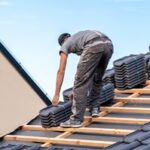
A roof replacement involves removing all existing shingles, underlayment, and flashings down to the roof deck, repairing any rotting wood underneath, and building a brand-new roof system. You should lean toward replacement if:
1. Your Roof Is Near or Past Its Lifespan
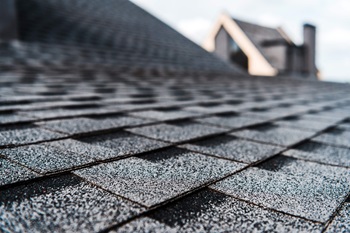
If your asphalt roof is approaching the 20-to-25-year mark (or your flat commercial membrane is past its operational lifespan), minor repairs become temporary band-aids. At this stage, materials naturally degrade, lose their protective granules, and become brittle.
2. Damage Is Widespread
If you have missing or curling shingles across multiple sections of your roof, or if water stains are appearing in several different rooms, the underlying structure is compromised. Repairing patch by patch becomes inefficient and costly compared to replacing the whole system.
3. There Is Widespread Structural Decking Rot
When water gets past shingles and underlayment for an extended period, the underlying plywood decking rots and sags. If walking on your roof feels spongy or if you see noticeable dips in your roofline, a full tear-off is necessary to replace damaged decking safely.
4. You Want to Boost Energy Efficiency and Property Value
An aging roof traps heat and allows air to escape, driving up monthly utility bills for your home or facility. Replacing an old roof with modern, reflective materials or architectural shingles instantly improves curb appeal, increases property value, and lowers heating and cooling costs.
Making the Final Decision
Choosing between repair and replacement comes down to three factors: age, extent of damage, and overall financial goals.
Before deciding, schedule a professional roof inspection with a licensed local contractor. An expert can assess hidden layers beneath the surface, check attic ventilation, and provide an honest recommendation on whether a quick repair will hold or if a replacement is the smarter long-term investment.