Choosing a new roof is one of the most significant investments you will make as a homeowner. Beyond providing structural protection against heavy rains, wind, and harsh sun, your roof defines your home’s curb appeal and plays a crucial role in overall energy efficiency.
With so many materials on the market today—ranging from traditional asphalt shingles to modern standing-seam metal panels—finding the right fit can feel overwhelming. This guide breaks down the most popular residential roofing materials, their pros and cons, and how to choose the best option for your home and budget.
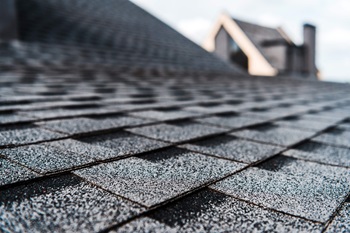
1. Asphalt Shingles: The Versatile & Cost-Effective Classic
Asphalt shingles remain the most popular choice for homes across North America, accounting for the vast majority of residential installations.
Lifespan: 15 – 30 years (depending on whether you choose standard 3-tab or thicker architectural shingles).
Pros: Highly affordable, widely available, and easy to install and repair. Architectural shingles also offer textured, dimensional looks that mimic slate or wood shakes.
Cons: Shorter lifespan compared to premium materials; susceptible to wind uplift and thermal degradation over time.
Best For: Homeowners seeking a reliable, budget-friendly option with great aesthetic versatility.
2. Metal Roofing: The Durable & Energy-Efficient Upgrade
Metal roofing (available in aluminum, steel, or standing-seam panels) has surged in popularity due to its extreme durability and sleek, contemporary appearance.
Lifespan: 40 – 70 years.
Pros: Exceptional longevity, highly resistant to severe weather, hail, and fire. Reflects solar heat to reduce summer cooling costs and requires minimal long-term maintenance.
Cons: Higher upfront material and installation costs compared to asphalt. Can be noisy during heavy rainfall if insulation beneath is minimal.
Best For: Homeowners looking for a long-term investment, low maintenance, and high energy performance.
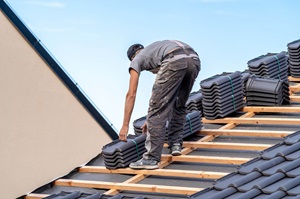
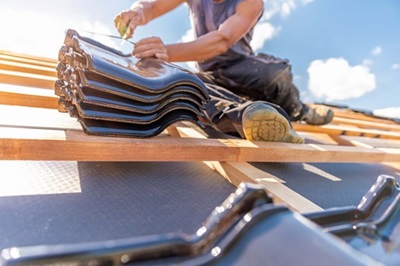
3. Clay or Concrete Tiles: The Distinctive & Heavyweight Option
Tile roofing is iconic in Mediterranean, Spanish Colonial, and Southwestern-style architecture, providing unmatched charm and heat resistance.
Lifespan: 50 – 100 years.
Pros: Extremely durable, fire-resistant, and immune to rot and insect damage. Handles extreme heat effortlessly and offers exceptional curb appeal.
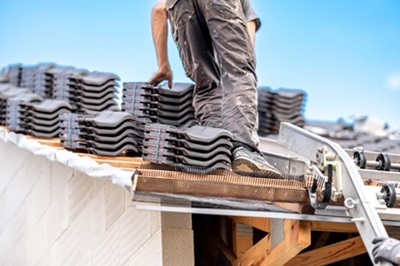
Cons: Very heavy—often requiring structural framing reinforcement before installation. High upfront costs and individual tiles can crack if stepped on improperly.
Best For: Warm climates and historic or specialized architectural home designs built to handle heavy material loads.
4. Synthetic Roofing (Composite): The Modern Alternative
Made from recycled polymers, rubber, or engineered resin, synthetic roofing tiles are designed to imitate natural slate or cedar shakes without their physical drawbacks.
Lifespan: 40 – 50+ years.
Pros: Lightweight, highly impact-resistant, fire-rated, and virtually maintenance-free. Provides the luxury look of slate or wood at a fraction of the weight and maintenance hassle.
Cons: A newer technology with higher initial material costs than asphalt shingles.
Best For: Homeowners who want the high-end appearance of slate or wood shakes without structural reinforcement or rot risks.
Key Factors to Consider Before Buying
When selecting your roofing material, weigh these four essential factors:
Your Regional Climate: High-wind or hail-prone areas benefit from metal or Class 4 impact-resistant synthetic shingles, while hot climates thrive with heat-reflective metal or clay tiles.
Structural Capability: Ensure your home’s roof framing can support heavier materials like concrete or clay tiles before committing.
HOA and Local Codes: Check neighborhood regulations or Homeowners Association (HOA) rules regarding approved colors and material types.
Long-Term Financial Goals: If you plan to live in your home for decades, a durable metal or synthetic roof often yields better long-term ROI despite the higher upfront investment.
Final Thoughts
Every home is unique, and the best roofing material is the one that aligns with your climate, aesthetic goals, and budget. Partnering with a licensed local roofing contractor ensures your roof is installed correctly, meets local building codes, and comes with full warranty protection.