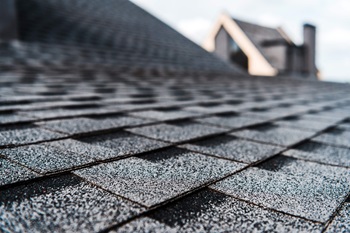
Storm season brings heavy rainfall, high winds, and severe weather that can severely test the integrity of your building. Whether you own a residential property or manage a local commercial facility, your roof is your first line of defense against the elements. Waiting until a major storm hits to discover a leak can result in costly water damage, structural issues, and unexpected business downtime.
Taking proactive steps before severe weather arrives is the most effective way to protect your investment. Here is a practical guide on how to prepare your roof before storm season hits.
1. Perform a Ground-Level Visual Inspection
You don’t always need to climb onto the roof to spot initial red flags. Walk around the perimeter of your home or commercial building with a pair of binoculars and look for:
Missing, cracked, curling, or buckled shingles.
Damaged or rusted flashing around chimneys, vents, and skylights.
Sagging rooflines or loose gutter sections.
Accumulated debris in valleys or low-slope roof sections.
2. Clear Gutters, Downspouts, and Drains
Clogged drainage systems are one of the leading causes of roof leaks during heavy rainstorms. When gutters and downspouts are blocked by leaves, twigs, and debris, rainwater backs up onto the roof edge. This standing water can seep under shingles, rot the fascia board, or cause localized flooding on flat commercial roofs. Ensure all gutters and downspouts are thoroughly cleaned and draining freely away from your foundation.
3. Trim Overhanging Tree Branches
High winds can easily snap dead or overgrown tree branches, turning them into heavy projectiles that can puncture roof decking or scrape off protective shingle granules. Trim back any limbs that hang within 6 to 10 feet of your roof line to prevent physical damage and reduce the amount of falling foliage that clogs your drains.
4. Check Flashing and Seals Around Roof Penetrations
Flashing—the thin metal material installed around chimneys, vents, skylights, and HVAC units—is designed to seal joint transitions against water entry. Over time, flashing can loosen, rust, or separate from the roof surface as sealant degrades. Inspect these high-risk areas carefully and re-seal or replace compromised flashing before heavy rains arrive.
5. Inspect the Interior and Attic Space
A roof leak often shows signs indoors long before it drips onto your floor. Head up to your attic or inspect top-floor ceilings for:
Dark water stains or discoloration on rafters and insulation.
Musty odors or signs of mold growth.
Daylight peeking through the roof decking.
If you spot daylight or water stains, you have an active pathway for storm moisture that needs immediate sealing.
6. Secure Loose Objects Nearby
For commercial properties with rooftop HVAC units, equipment hatches, or solar arrays, ensure all access panels and housings are securely fastened. On residential properties, clear loose patio furniture, yard tools, or temporary fixtures that strong storm winds could pick up and throw against your roof.
7. Schedule a Professional Roofing Inspection
While DIY checks are valuable, some vulnerability—such as underlying moisture rot, loose fastings on metal panels, or compromised commercial membrane seams—can only be identified by an expert. Scheduling a pre-storm inspection with a licensed professional roofing service ensures your roof gets a thorough checkup and any necessary repairs are completed safely before the weather turns.
What to Do If You Suspect Water-Related Electrical Damage
Shut Off Power to the Affected Zone: If water is leaking near lights, outlets, or appliances, go to your main breaker panel and shut off power to those circuits immediately.
Contain the Water: Place buckets and towels down to catch dripping water, but do not touch water that is in direct contact with plugged-in electrical equipment.
Call the Right Professionals: Contact a licensed electrician to inspect and isolate wet wiring safely, and call a professional roofing service to locate and seal the external leak source.