For a small business owner, your premises are more than just a location—they are the heart of your operation, your livelihood, and a space for your staff and customers. Protecting this space means prioritizing safety, and a fundamental part of that is your building’s electrical system.
While most small business owners aren’t licensed electricians, it is essential to have a basic understanding of electrical safety. Recognizing red flags and establishing safe habits can protect your property from devastating fires, shield your team from injury, and ensure your business keeps running smoothly, avoid expensive, unexpected downtime.
Here are 7 essential electrical safety tips that every local business owner, from a retail shop to a small office, should know.
1. Don’t Mistake Temporary for Permanent
A classic small business electrical hazard is the long-term use of extension cords. Cords and power strips are designed for short-term use, such as setting up temporary displays or using specific tools. They are not a substitute for permanent outlets.
Over time, exposed cords wear down, get caught under furniture, or present tripping hazards. Overloading a power strip with too many high-draw appliances can lead to overheating. If you need more outlets, call a professional to install them safely.
2. Learn the Sign Language of Failure
Your electrical system often gives subtle warning signs before a major failure occurs. Learn to recognize and take action on these indicators:
Discolored Outlets: Scorching or discoloration on an outlet or faceplate is a critical sign of heat buildup inside the wall.
A Strange Smell: A persistent, fishy, or metallic smell near switches, outlets, or the breaker box usually means electrical wiring insulation is melting.
Flickering or Dimming Lights: Lights that dim when a major appliance (like the A/C or microwave) kicks on means the circuit is strained.
Warm Switches or Outlets: Outlets and switches should not feel warm to the touch.
3. Respect Your Panel and Know the Main Shut-Off
Your electrical panel is the control center for your building’s power. Make sure it is:
Accessible: Never block access to the panel with inventory, shelves, or furniture.
Labeled: Each breaker must be clearly labeled with the circuit it controls. If a breaker frequently trips, it’s a symptom of a circuit overload or faulty appliance—not a suggestion to flip it back repeatedly.
Most importantly, every owner and manager must know the exact location of the main water and electrical shut-off valves. In an electrical emergency, such as a localized fire or severe shock, cutting the main power supply instantly can save lives and prevent massive damage.
4. Create a Cord Management and Inspect Habit
Establish a regular habit of inspecting all plugged-in cords. Workers are busy and might not notice a minor tear. Look for:
Frayed, cracked, or kinked insulation.
Loose connections where the cord meets the plug or appliance.
Plugs with missing grounding prongs.
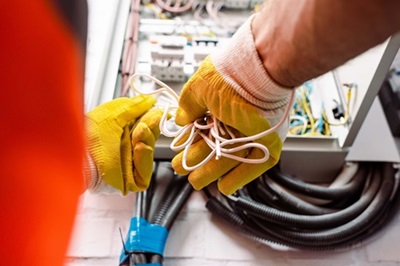
When organized, cords are safer. Use simple cable clips to keep cords off the ground and away from high-traffic pathways where they can get crushed, pulled, or damage the outlet.
5. Prioritize GFCI in “Wet” Areas
Ground Fault Circuit Interrupter (GFCI) outlets are essential life-saving devices required in any area where water and electricity are close, such as restrooms, kitchen areas, break rooms, and outdoor spaces. A GFCI monitors the electricity flowing through a circuit and shuts off power instantly if it detects a leak (a “ground fault”) that could cause a severe shock. Test your GFCI outlets monthly by pressing the ‘TEST’ and ‘RESET’ buttons.
6. Know the Rules for Fire Safety
While prevention is the goal, preparation is vital. Never use a standard “Type A” water or foam fire extinguisher on an electrical fire. Water is an excellent conductor and can cause severe shock or death.
Your business must be equipped with a properly rated, active fire extinguisher, typically Type ABC (suitable for electrical, liquid, and material fires) or Type C (specifically for electrical fires). Make sure all staff members know where the extinguishers are located and how to operate them.
7. Know Your Limits: Schedule an Annual Audit
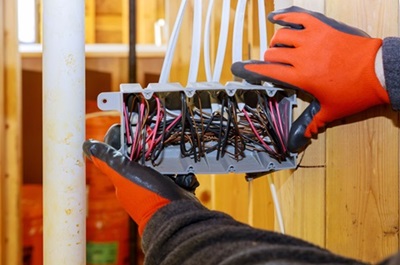
DIY electrical work is the leading cause of preventable electrical disasters in small businesses. Attempting repairs, installing new fixtures, or adding circuits without a license is illegal and incredibly dangerous. Your building’s internal system has diagnostic needs that a non-expert cannot detect.
Schedule an annual electrical audit with a licensed local electrical service provider. This professional inspection can identify hidden hazards—like outdated knob-and-tube wiring, overloaded panels, or loose connections behind the walls—before they turn into an operational or safety emergency.
When Should You Call a Professional?
If you experience any of the above issues, don’t wait. Electrical faults can escalate quickly into severe hazards, including severe shocks or fires. A fast response from a licensed electrician will protect your property, ensure your system meets code, and keep your family or business safe.